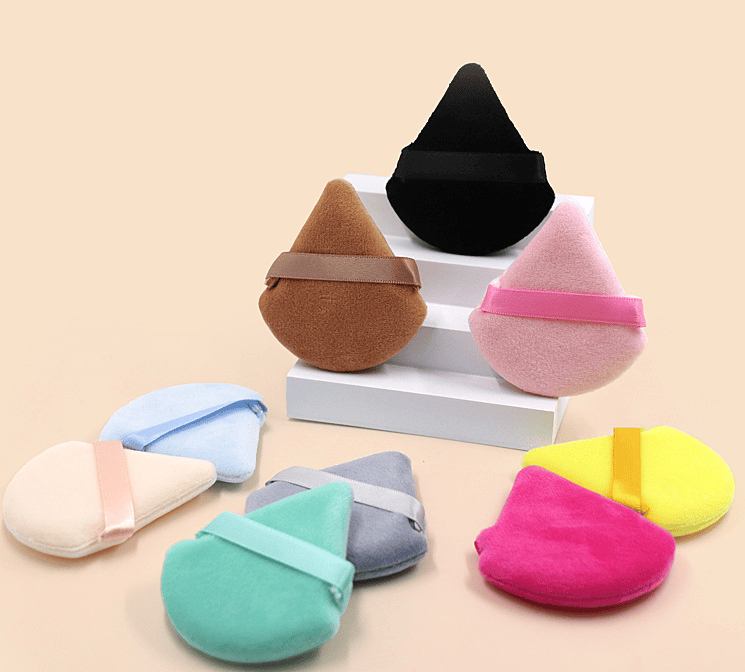
Sourcing a makeup puff sounds simple — send a message, get a price, place the order. In reality, buyers who skip one step usually lose three weeks somewhere between sample approval and their container sailing. I’ve walked this process with hundreds of brands, and this is the checklist I actually give them.
Wholesale powder puff sourcing in 2026: confirm the MOQ per design, hold physical samples before bulk, request skin-safe ribbon-ink test reports, get color matching in writing, and lock packaging and shipping terms before deposit. Buyers who skip samples call in a panic weeks later.
Below is the full checklist — every step, why it matters, and the red flags that tell you a supplier isn’t worth your calendar.
What Does a Realistic Sourcing Timeline Look Like?
Let’s stop treating sourcing like one email thread. It’s a process with five stations:
- Inquiry — you send shapes, colors, logo files, and target quantity.
- Sampling — physical puffs arrive (about 7 days by express).
- Approval and deposit — you sign off the sample, 30% 0f deposit secures production.
- Bulk production — roughly 25–35 days.
- Shipping — express 5–7 days, or sea freight depending on volume.
The buyers who save three weeks don’t do it by rushing. They run steps in parallel: sample approval and packaging design happen at the same time, not one after the other.
表格
| Stage | What happens | Typical time |
| Inquiry | Shapes, colors, logo, quantity sent | Day 0 |
| Samples | Physical puffs shipped to you | 5–7 days |
| Approval + deposit | Sign-off, 30–50% deposit | 1–3 days |
| Bulk production | Printing, cutting, stitching | 25–35 days |
| Shipping | Express to door | 5–7 days |
The three-week delays almost never come from production. They come from the email chain: missing logo files, “let me check the color,” waiting on packaging artwork. Everything you can send in the first message is time you don’t lose later.
The Checklist: Eight Things to Lock Before You Deposit
1. MOQ — Per Design, Not Per Order
Get the minimum in writing: most private-label puff lines start at 5,000 pieces per design (5,000 sets for bundled kits). Ask explicitly whether mixing colors counts as one design or resets the minimum. The answer changes your order math.
2. Physical Samples Before Anything Else
A photo on a wall is not a sample. You need the puff in your hand — density, ribbon stitching, print sharpness — on your cheek. Buyers who skip this usually find out the puff sheds fiber in week one. Yes, samples cost a small fee. Yes, it’s the cheapest insurance you’ll buy all year.
3. Ribbon Ink Safety Documents
The logo touches skin all day. Ask for the ribbon-ink skin-contact test report. A supplier who says “it’s safe, trust us” is a supplier you can’t sell to a retail audit.
4. Color Matching in Writing
“Close to our brand color” means different things in different factories. Send a Pantone number or reference photo, and ask for a swatch approval before bulk. Get the approval in an email — verbal color promises are how brands end up with “blush” that is clearly salmon.
5. Certifications for Your Markets
US and EU retailers increasingly ask: latex-free mesh, GOTS for organic cotton claims, OEKO-TEX for chemical safety. Not every brand needs all of them — but know which ones your buyers will ask for before you sell in.
6. Packaging Specs Decided Early
Polybag, paper pouch, printed box? The packaging is the longest custom item in the spec, and it’s where orders stall. Decide it in the same email as the puff, not after production starts.
7. Shipping Terms and Incoterms
Know what your price includes. “FOB Shanghai” is not the same as “delivered to your warehouse,” and the gap is a real number. Ask for express and sea quotes both, especially if you’re ordering at Christmas or Chinese New Year season.
8. The Lead-Time Buffer
Add two weeks to whatever your supplier quotes. Not because they’re lying — because the world is messy: artwork revisions, customs, a ribbon roll that arrives the wrong color. Buffer beats panic, every time.
What Your First Email Should Contain
The fastest quote I’ve ever turned around came with everything in one message: the puff shape, the Pantone number, a vector logo file, the target quantity, and the destination country. The slowest ones took ten messages of “what color?” and “which shape?” Send all five in round one and you’ll cut a week off the process before it even starts.
Red Flags to Walk Away From
- No samples, ever. A factory that won’t hand you a physical puff is hiding something.
- Prices 40% below everyone else’s. You will buy that discount back in complaints.
- Vague answers to “can you send the test report?” Your retailer will ask this; so should you.
- WhatsApp prices but no written quote. If it’s not in an email, it doesn’t exist.
Rule of thumb: the supplier who asks you the most questions before quoting is usually the one worth ordering from.
The Bottom Line
Sourcing puffs in 2026 comes down to discipline: written MOQ, samples in hand, ink test reports, written color approval, locked packaging and shipping terms, and a two-week time buffer. Do that, and your order moves in about the time the checklist says — instead of stretching into the season you were trying to catch.
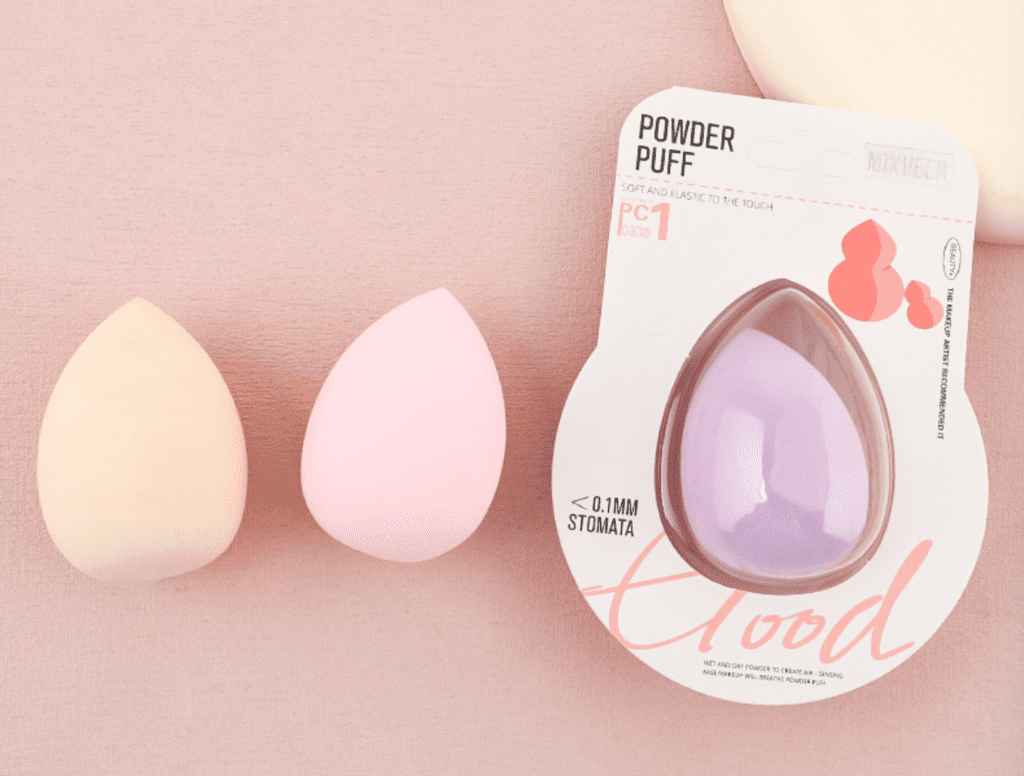
Send us your shapes, colors, and logo file, and we’ll send the full quote with the sample timeline on it — no vague promises.
About PANDA SPONGE: manufacturer of cotton, velour, and air-cushion powder puffs — round, triangle, heart, and custom shapes, with private-label logo printing, custom colors, and custom packaging. Samples before bulk, test reports on file.

Maggie Peng serves as the esteemed Product Manager at Panda Sponge, where she has garnered a wealth of experience and expertise over the course of five years. With a primary focus on product design, testing, and development, Maggie has consistently exhibited her prowess in these domains.