I’ve spent years walking factory floors and troubleshooting puff sourcing pain points for global cosmetic buyers. Today I’ll share field-tested tactics that reliably cut landed costs 18–30% while locking in consistent specs.
You can cut makeup puff sourcing costs 18–30% without quality loss by consolidating SKUs, selecting the right base material (cotton, silicone, PU, SBR, NBR), locking fixed BOMs, grouping custom mold runs, aligning custom logo and packaging work to one manufacturer, and using stable 5,000-piece MOQ batches. Final pricing for custom orders depends on finished design files, mold fees, print method and packaging specs.
That’s the high-level formula, but the fine print is where most buyers leave serious margin on the table. Let’s dig into every detail you need to run this safely.
Where Do Makeup Puff Sourcing Costs Actually Come From?
Most buyers only negotiate per-unit price and miss the bigger cost stack. For cosmetic puffs, total landed cost breaks into raw foam/substrate, die-cutting or molding, surface finishing, logo decoration, custom packaging, QA inspection, overhead, mold amortization and freight.
Standard off-the-shelf puffs have predictable pricing. Custom shapes, embossed logos, printed artwork and branded boxes add variable cost layers. Many suppliers quote low unit pricing and then pass separate mold charges, plate fees or setup charges after you commit. That’s the #1 sourcing trap I see.
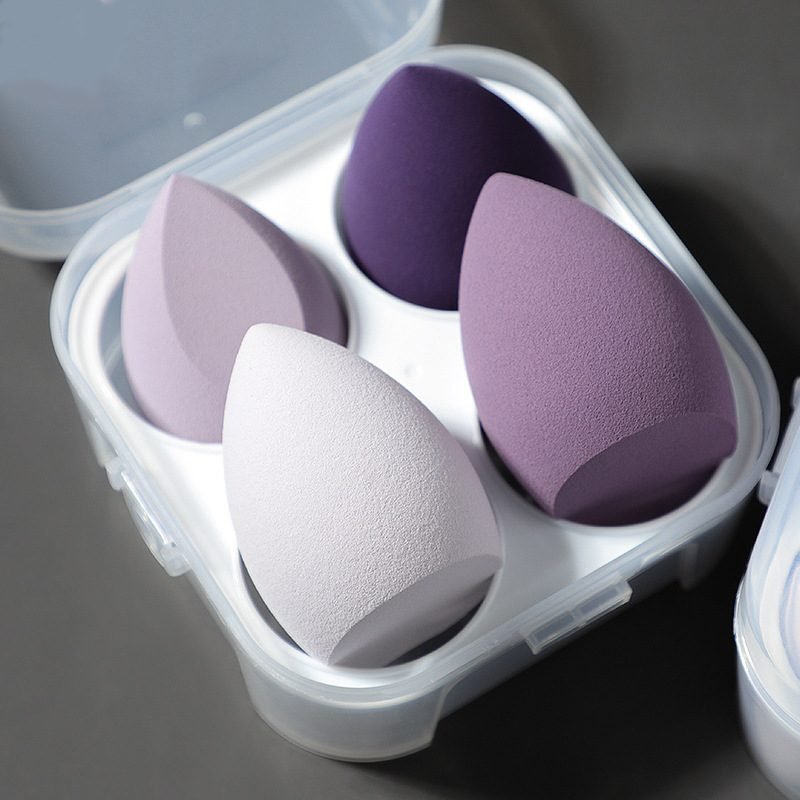
Our factory runs cotton, silicone, PU, SBR and NBR puffs under one roof at pandasponge.com, which removes a lot of that middleman markup. Consolidating your custom work with one certified manufacturer is one of the fastest ways to hit that 18–30% savings window.
Material Selection Is Your Biggest Cost Lever
Each base material has its own cost curve and use case, and swapping thoughtfully is not “cheapening” your product.
| Material | Typical Use Case | Cost Profile | Key Quality Checks |
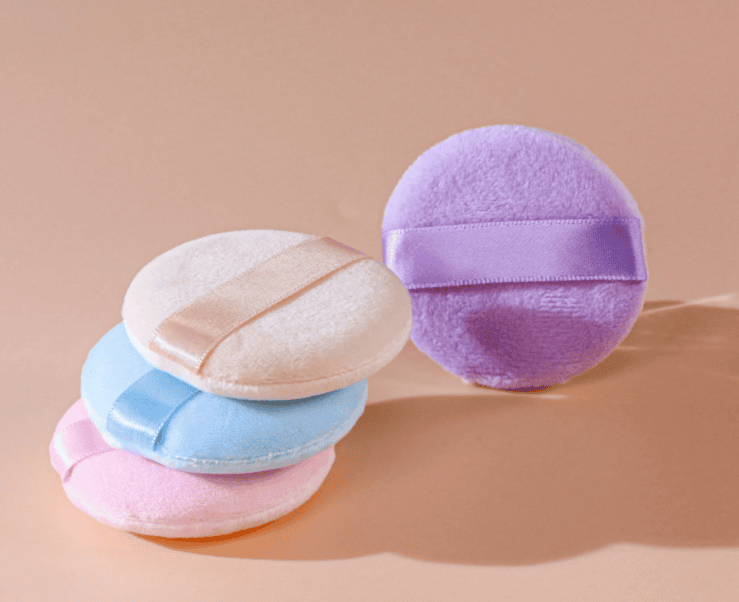
| Cotton puff | Loose powder, pressed powder compacts | Mid-low | Density, lint test, wash durability |
| PU puff | Foundation, cream blush, wet use | Mid | Cell structure, tear resistance, no air bubbles |
| Silicone puff | Primer, thick cream, easy clean | Mid-high | Shore hardness, non-stick surface |
| SBR / NBR | Latex-free blending sponges | Mid | Stretch recovery, skin-safe compounding |
A common mistake: specifying premium silicone for a disposable powder puff. That automatically bloats your BOM. Match the substrate to your end use, and you can often hit 8–15% savings right there with zero visible quality drop.
How Customization Works (And How To Keep It From Eating Your Savings)
Custom differentiation is how private-label brands win shelf space, but customization is also where budgets blow up. Let’s get this straight.
Our standard custom MOQ is 5,000 pieces per SKU. That threshold lets us amortize mold, printing plate and setup fees across enough units to keep per-unit pricing reasonable. Ordering smaller custom runs usually spikes unit cost sharply, often wiping out any volume discount.
Custom Logo Options Have Different Cost Structures
Logo work comes with real setup overhead. Silk screen, heat transfer, emboss/deboss and laser marking each carry different fixed charges. Some methods add per-unit labor, others are mostly one-time plate or tooling cost.
This is why we cannot give a firm custom quote from a sketch or verbal description. We need your final vector design files, Pantone color references, logo placement specs and surface finish notes before releasing a formal quotation.
Custom Molds Are A Fixed Asset, Not A Hidden Fee
For unique shapes, custom cavities require mold fabrication. Mold cost is a one-time charge unless you damage the tool or revise the geometry. Many buyers ask if we can waive mold fees. Usually we cannot, but we can amortize it across your batch and future reorders if you retain exclusive tool rights.
Grouping multiple related custom shapes into one mold set is a solid trick. It cuts incremental tooling cost and keeps your per-puff expense lower.
Custom Packaging Can Be Bundled Or Separated
You have two practical routes: source blank puffs and buy packaging elsewhere, or bundle printed boxes, sachets and header cards with the puff order.
Bundling packaging at the same factory usually delivers 3–7% total landed savings, because you combine inspection and container loading. The tradeoff: packaging artwork also needs finalized print-ready files before quoting.
Operational Sourcing Moves To Hit 18–30% Savings Safely
Material and customization choices only get you so far. These operational habits separate the buyers who hit consistent savings from those chasing one-off cheap batches.
First, lock your BOM and specs. Frequent changes to foam density, thickness, logo size or packaging mid-run are expensive. They trigger rework, extra QA and production downtime. Stable specs are non-negotiable for predictable costing.
Second, batch and forecast your reorders. If you know you will reorder the same custom puff in 6–8 months, we can schedule production in advance and avoid rush surcharges. Air freight surcharges and expedited production can erase 10–20% of your margin overnight.
Third, run pre-production samples before full release. Sample QA catches bubble defects, logo alignment errors and density drift early. Reworking a 5,000-piece finished batch is far costlier than adjusting a prototype.
Fourth, rationalize your SKU portfolio. Many brands carry 12+ similar puff shapes when 4–6 optimized SKUs cover their assortment. Fewer unique molds and fewer setup cycles directly push your blended cost down.
A quick reality check: the 18–30% range is realistic, but it is not guaranteed on every single SKU. Off-the-shelf standard puffs already sit near the commodity price floor, so upside there is smaller. The biggest savings appear on custom molded, printed and packaged programs.
Quality Guardrails So Savings Don’t Backfire
Cutting cost does not mean skipping critical control points. For makeup puffs, your non-negotiable quality checklist should include: skin safety compliance, foam cell consistency, tensile strength, color fastness, lint shedding test, logo adhesion and dimensional tolerance.
At our facility, we log these QC metrics for every batch. If you switch suppliers purely on unit price without matching this test matrix, you will likely absorb hidden costs: customer returns, brand complaints and compliance delays. That’s a false economy.
One pro move: agree on an approved master sample and sign off on a spec sheet before production. That document becomes the QC standard for every shipment from pandasponge.com. It removes “he said, she said” disputes when goods land.
Common Mistakes That Kill Your Sourcing ROI
Let’s run through the mistakes I watch smart buyers make again and again.
Mistake one: requesting custom pricing without final design files. Any quote you get here is only a rough estimate, and final pricing often jumps. Mistake two: splitting custom puff production, logo printing and packaging across three separate vendors. Each party adds markup, coordination risk and lead time. Mistake three: chasing MOQs far below 5,000 for custom shapes. The tooling and setup overhead crushes your per-unit economics. Mistake four: treating mold fees as a scam. Molds are physical assets; they have machining, polishing and validation labor built in. Mistake five: ignoring landed cost and only comparing EXW unit price. Freight, inspection, customs and rejected batches change everything.
CONCLUSION
The 18–30% savings target works when you match the right puff material to your formula, consolidate custom logo, mold and packaging work, stick to a 5,000-piece MOQ for custom SKUs, lock stable specs, and validate samples before mass production. Custom quotes always rely on your finished design files, because mold charges, print setups and packaging details shift the final price. Quality stays protected when you keep clear QC standards and master sample approvals in place.
Reach out to our engineering team at pandasponge.com with your vector artwork, material preference and packaging brief. We will review your custom makeup puff project, outline mold costs, share sample lead times and build a transparent landed cost breakdown for your next order.

Maggie Peng serves as the esteemed Product Manager at Panda Sponge, where she has garnered a wealth of experience and expertise over the course of five years. With a primary focus on product design, testing, and development, Maggie has consistently exhibited her prowess in these domains.