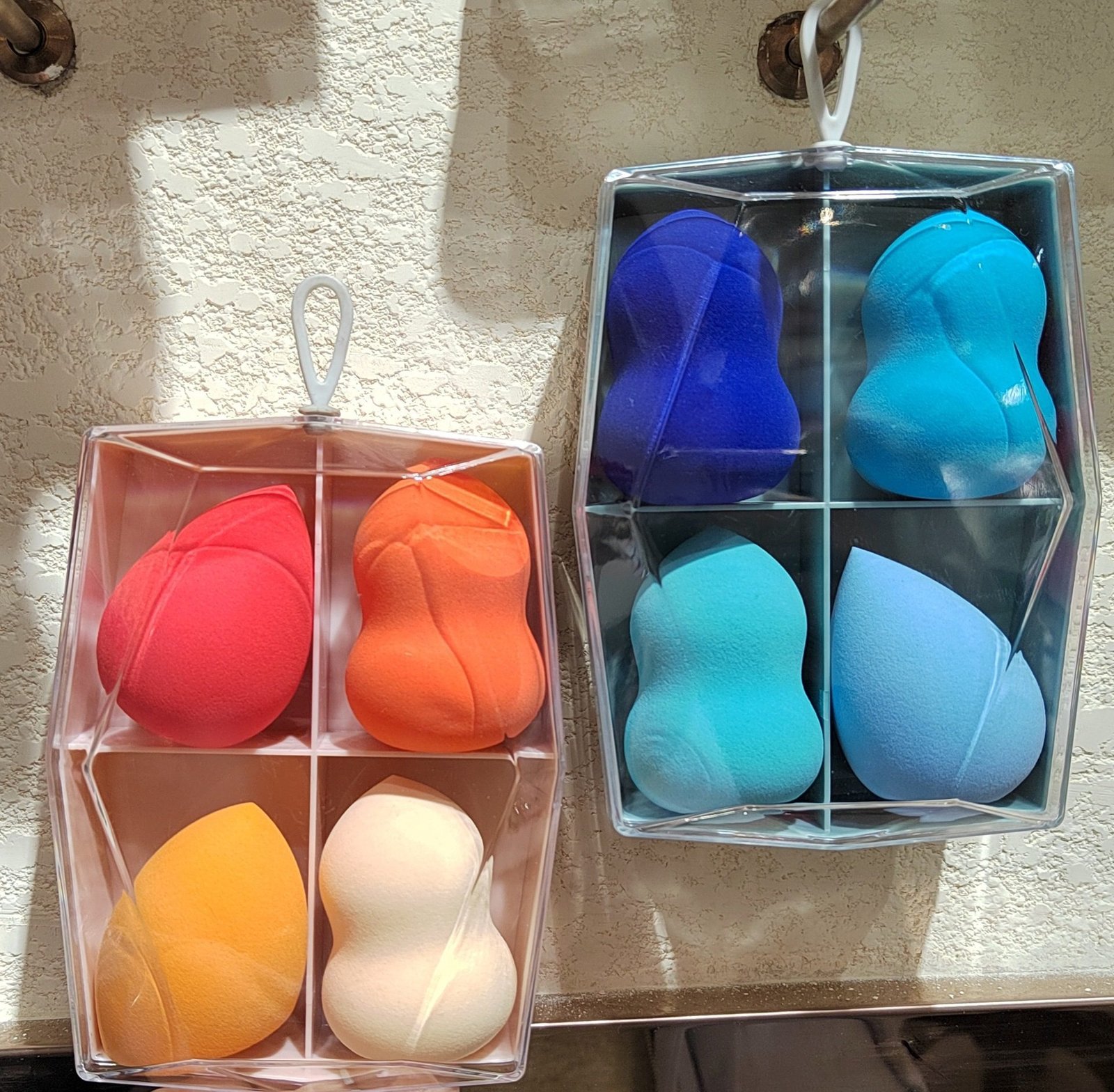
Feeling that squeeze? That “cheap” packaging might be secretly eating your profits. Let me show you how to calculate the true cost of your beauty sponge packaging and make smarter buying decisions.
Total Cost of Ownership (TCO) for beauty sponge packaging includes the unit price plus all hidden costs: damage and returns from inadequate protection, warehouse space and shipping fees for inefficient designs, labor for complicated assembly, and the brand reputation cost of a poor unboxing experience. Optimizing TCO means investing in packaging that prevents these losses.
Most procurement pros only look at the unit price. But the real savings—or losses—are hidden in your supply chain. Let’s uncover them together.
The True Cost of “Cheap” Packaging
I’ve been in this business long enough to see the same story play out. A buyer finds a packaging supplier that shaves 10% off the unit cost. It looks like a win on the spreadsheet… until the real bill comes due.
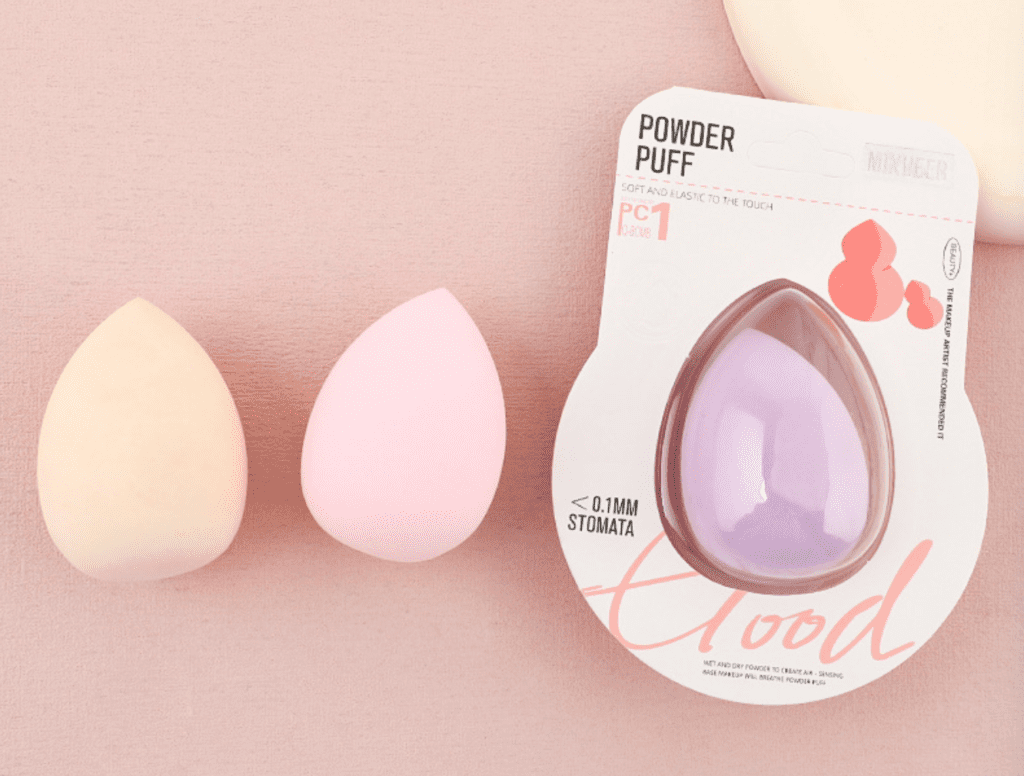
That “savings” often gets wiped out—and then some—by what happens next. We’re not just talking about a few damaged sponges. We’re talking about a cascade of hidden costs that hammer your margins.
Let me break down the four biggest hidden costs that most people miss:
- The Damage Domino Effect: A flimsy box or a thin plastic blister might survive a perfect journey. But when was the last time you saw a “perfect” logistics chain? When a pallet gets stacked a little too high, or a parcel gets handled a little too roughly, weak packaging fails. The result? Sponges arrive crushed, misshapen, or torn. Now you’re eating the cost of the product itself, the outbound shipping, and the return processing. One damaged unit can erase the “savings” from a dozen “cheap” packages.
- The Storage & Shipping Squeeze: This one is a silent profit killer. I call it the “Cube Penalty.” An oversized or inefficiently designed package means you’re shipping and storing… air. You’re paying for extra cardboard on the ocean and wasted space in your warehouse. A supplier who understands TCO will design packaging that is right-sized, slashing your dimensional weight (DIM weight) and freeing up valuable real estate.
- The Labor Time Sink: Have you ever seen a warehouse team struggle with packaging that’s tricky to assemble or doesn’t fit the product neatly? That time adds up. Every extra second spent fighting with a package is money coming straight out of your operational efficiency. Smart packaging should be a breeze to handle, not a headache.
- The Brand Reputation Tax: This is the hardest cost to quantify but the most damaging long-term. A customer who receives a damaged or cheap-looking product doesn’t just get a refund. They lose trust. They’re less likely to buy from that brand again, and they might even tell their friends. You’re not just losing a sale; you’re losing a customer.
Your 3-Step TCO Evaluation Framework
Okay, so how do you fight back against these hidden costs? You need a new way to evaluate suppliers. Stop asking “How much per unit?” and start asking these three questions.
Step 1: Interrogate the Protection
Your first job is to be a skeptic. Don’t just take a sample and look at it. Test it.
- Ask your supplier: “What is the crush-test rating for this box?”
- “Can you show me a drop-test video from 1 meter?”
- “What’s the burst strength of this carton?”
A supplier who focuses on TCO will have these answers ready. If they don’t, consider it a major red flag. They’re selling you a price, not a solution.
Step 2: Calculate the “Cube”
This is where you find the hidden shipping and storage costs. Grab a sample and a tape measure.
- Calculate the volume (Length x Width x Height) of the packaged product.
- Now, ask yourself: Is there wasted space? Could a smarter design reduce this volume by 15%?
- A 15% reduction in package size can lead to a similar reduction in shipping costs, especially for international air or sea freight. That savings goes straight to your bottom line, year after year.
Step 3: Do a “Fulfillment Lab” Test
This is a game-changer. Take 100 units of the new packaging and do a timed trial run in your warehouse (or just imagine the process in detail).
- How long does it take to assemble the package?
- How easy is it to insert the sponge?
- Does it seal quickly and reliably?
If it slows your team down, that “cheap” unit cost is an illusion. You’re paying for it in payroll.
But What About Sustainability? Isn’t That More Expensive?
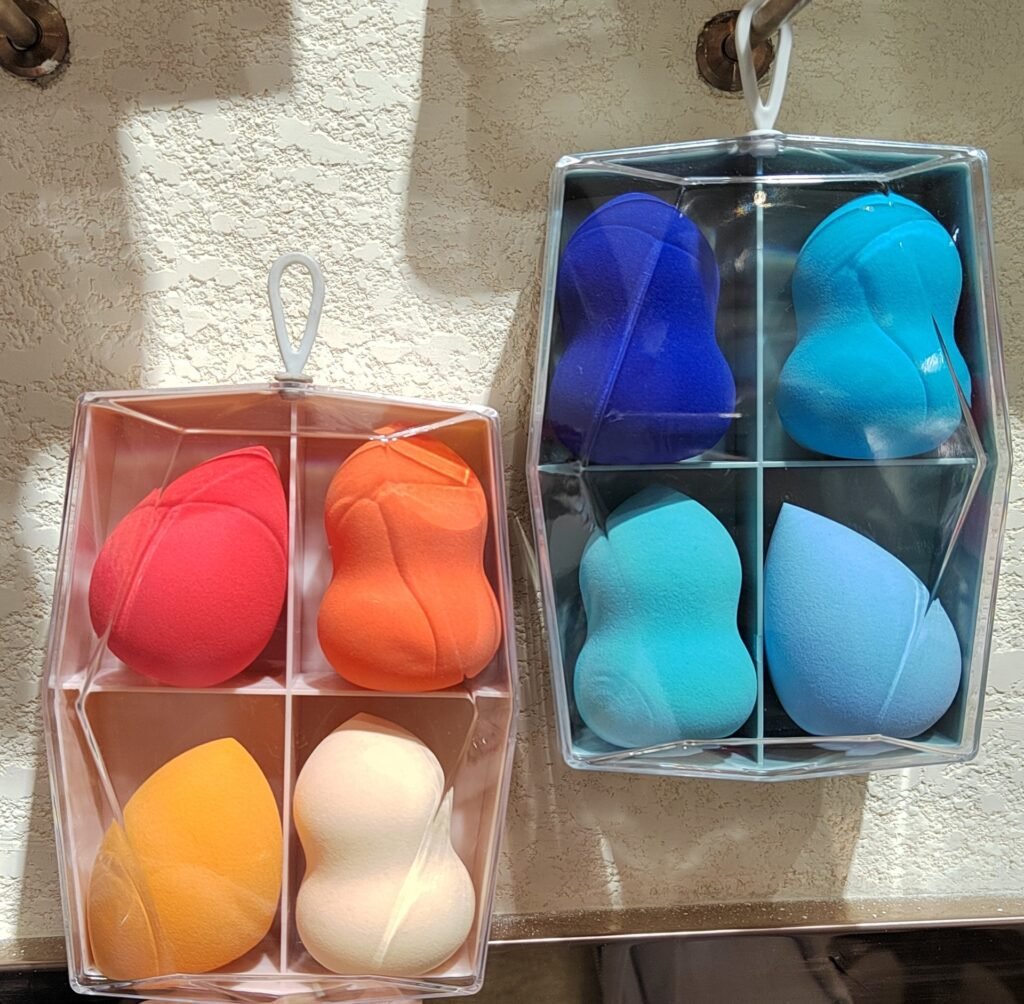
I hear this all the time. “Eco-friendly packaging is a premium we can’t afford.”
Let me flip that script: Sustainable packaging is a powerful tool for reducing your TCO.
How? It future-proofs your business. With plastic bans and eco-taxes on the horizon in many markets, switching to certified paperboard or recyclable PET isn’t just a “nice-to-have.” It’s a strategic move to avoid the massive cost of a forced, rushed re-packaging project later.
It also resonates with consumers. Better brand perception = higher loyalty = lower customer acquisition costs. That’s a TCO win.
The Partner vs. The Price-Tag Vendor
At the end of the day, this entire conversation boils down to one choice.
Are you working with a vendor who just sells you a component? Or are you working with a partner who helps you solve a business problem?
A partner—like us —doesn’t just make your beauty sponges. We help you source the right packaging, too. We’ll run the crush tests with you. We’ll design a right-sized solution that cuts your shipping costs. We’ll ensure our packaging is easy for your team to handle and a joy for your customers to open.
We become an extension of your supply chain team, focused on one thing: protecting your margins.
Ready to Find Your True Packaging Cost?
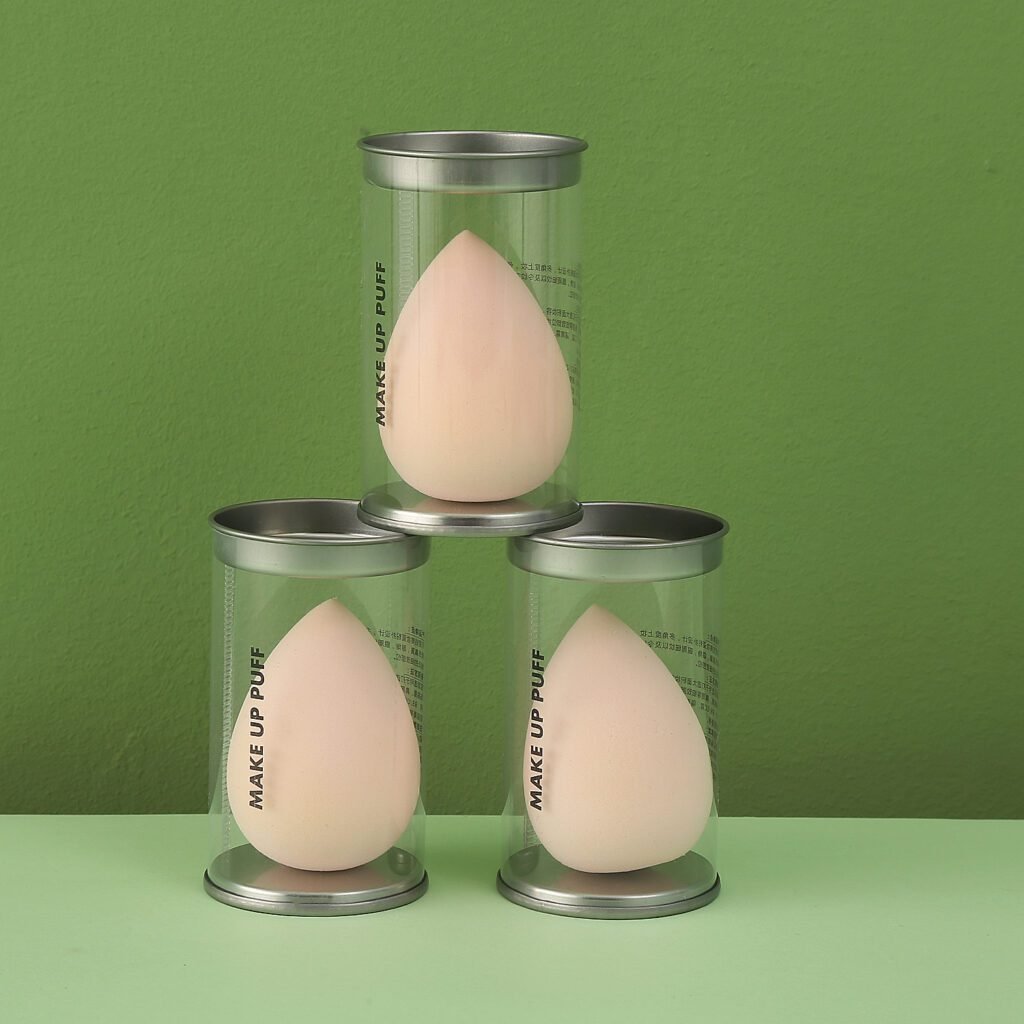
Stop letting hidden costs eat your profits. Let’s have a real conversation about your Total Cost of Ownership.
At PandaSponge, we’re your end-to-end partner. We provide the perfect beauty sponges and help you source the ideal packaging—from sturdy PET clamshells to elegant, eco-friendly paper boxes.
Let’s find the solution that protects your products and your bottom line.

Maggie Peng serves as the esteemed Product Manager at Panda Sponge, where she has garnered a wealth of experience and expertise over the course of five years. With a primary focus on product design, testing, and development, Maggie has consistently exhibited her prowess in these domains.