I’ve spent years advising global beauty procurement teams on makeup‑puff OEM sourcing. This piece breaks down why many brands are shifting production back, and shares actionable criteria for vetting your next manufacturing partner.
Many 2026 beauty brands move makeup‑puff production back to specialized Chinese OEMs because Southeast‑Asian factories often lack mature tooling, integrated custom‑logo and packaging workflows, and consistent RoHS‑REACH compliance for cotton, PU, silicone, SBR and NBR puffs. Chinese OEMs deliver end‑to‑end bespoke capability, though custom orders carry mold costs, require finished design files for firm quotes, and commonly apply a 5 000‑piece custom‑order MOQ.
That’s the high‑level snapshot, but there’s plenty of nuanced procurement reality most surface‑level sourcing articles skip. Let’s unpack the full story.
What’s Driving The Shift Away From Southeast‑Asian Puff OEMs
A few years ago, many beauty buyers chased lower headline labor costs by shifting makeup‑puff output to Southeast‑Asia facilities. On paper it looked great. In practice, procurement managers ran into predictable, expensive bottlenecks once they moved past simple stock‑SKU production.
Most Southeast‑Asian contract factories excel at high‑volume run‑of‑mill commodity puffs with zero or minimal modifications. Where they stumble is complex differentiation work. Bespoke shapes, multi‑technique custom logo printing, matched private‑label packaging, and mixed‑material runs (cotton, PU, silicone, SBR, NBR) often force you to split tooling, printing and packaging across 2‑3 separate vendors. That adds coordination overhead, longer lead‑times, and higher defect rates you do not see on initial quotes.
Compliance is another frequent pain point. Many facilities struggle to consistently maintain RoHS and REACH documentation for foam‑based beauty accessories. When you import into EU markets, incomplete test records can trigger customs holds or product detentions.
This does not mean Southeast‑Asian manufacturers are “bad”. They make solid sense for non‑custom commodity‑volume orders. But if your competitive edge rests on differentiated private‑label puffs, the total landed cost often creeps higher than expected. That explains the steady return to specialized Chinese OEMs such as Panda Sponge, with in‑house capacity across all major puff material categories.
Hidden Costs That Erase Southeast‑Asia’s Headline Price Advantage
Too many buyers compare only EXW unit price and ignore downstream costs. Here are real‑world pain‑points I observe in B2B sourcing:
- Split‑vendor workflows for molds, logo printing and packaging inflate admin and QC hours.
- Prolonged sampling cycles, with multiple rounds of revision before matching your spec.
- Inconsistent foam‑batch quality, creating higher retail‑return rates.
- Compliance documentation gaps that create import risk for Western markets.
For brands building differentiated retail assortments, those hidden costs easily eat up the small per‑unit savings you chased in the first place.
Where Specialized Chinese Makeup‑Puff OEMs Deliver Clear Value
China’s cosmetic‑accessory OEM cluster has deep, vertically integrated supply chains built up over more than a decade. Factories like Panda Sponge handle cotton, silicone, PU, SBR and NBR puffs under one roof, from raw‑material input all the way to custom‑printed retail packaging.
That single‑source model eliminates most cross‑vendor friction. Your project team deals with one point‑of‑contact for tooling, logo application, material selection, quality assurance and finished‑goods packing.
Custom Differentiation: Logo, Shapes, Packaging And Real‑World Commercial Rules
Customization is where you build shelf‑standout for your brand — and also where sourcing misunderstandings most often blow budgets.
Our standard custom‑order MOQ sits at 5 000 pcs per SKU. This volume allows the factory to amortize one‑off mold‑fabrication, printing‑plate and production‑setup expenses across enough units to keep per‑unit economics reasonable. Smaller custom runs push unit pricing sharply upward, because fixed tooling overhead does not scale down.
Custom‑shaped puffs require dedicated molds, which carry separate one‑time mold fees. These are physical machining costs, not arbitrary surcharges. If you place repeat re‑orders and retain tool ownership, you avoid paying mold charges a second time.
For custom‑logo work — silk‑screen, heat‑transfer, emboss options — we cannot issue a firm, binding quote based on verbal descriptions or rough sketches. Final vector‑format design files, Pantone references and exact placement specs are mandatory before accurate costing. The same rule applies to bespoke private‑label packaging: print‑ready artwork must be supplied to lock in packaging‑related pricing.
Many buyers ask: can you just “give me a ballpark figure without files”? We can offer rough estimates, but these will shift once real design data arrives, and they should never be used for final budgeting.
Compliance And Raw‑Material Backing
Reputable Chinese OEMs source premium imported base materials and run mandatory batch‑level compliance testing. At Panda Sponge, finished puffs pass RoHS and REACH screening, and materials are latex‑free, vegan‑formulated without phthalates or parabens. That pre‑empts many import headaches European and North‑American importers face. Free pre‑production samples are available so you can validate material hand‑feel, density and print quality before committing to large‑scale production.
Your Practical OEM Partner‑Vetting Checklist (Makeup‑Puff Specific)
Before awarding your custom‑puff contract, run through these checks to avoid costly missteps:
- Confirm the factory can manufacture your exact required material portfolio: cotton, PU, silicone, SBR, NBR. Avoid middlemen trading companies without in‑house foam‑processing lines.
- Clarify custom‑order MOQ (for bespoke shapes / logo / packaging, expect ~5 000 pcs per SKU).
- Get transparent disclosure of mold fees, plate‑setup charges, and whether tooling ownership transfers to you.
- Insist you must submit final design files to receive a formal quote; reject firm pricing given off sketches.
- Verify recent RoHS / REACH batch‑test reports for the exact foam variants you intend to purchase.
- Confirm sampling lead‑times, bulk‑production turnaround, and who owns QC sign‑off for mass‑production.
Keep in mind: Chinese OEMs are not a universal “fix‑all”. If your strategy is only ultra‑low‑margin, zero‑modification commodity puffs, Southeast‑Asia can remain competitive. But for brands competing via product differentiation, integrated Chinese specialized OEMs frequently deliver superior total‑cost outcomes.
Conclusion
Brands are moving some makeup‑puff production back to specialized Chinese OEMs not out of blind trend‑chasing, but because integrated factories solve real pain‑points around custom shapes, custom logo work, private‑label packaging, compliance, and multi‑material production. Always remember custom projects carry mold‑related costs, require finished design files for precise quoting, and typically operate with a 5 000‑piece custom‑SKU MOQ.
Ready to move your custom makeup‑puff project forward? Head over to Panda Sponge. Share your vector design files, material requirements and packaging brief. We will walk you through mold‑cost estimates, sample timelines, and a full transparent landed‑cost breakdown for your next order.
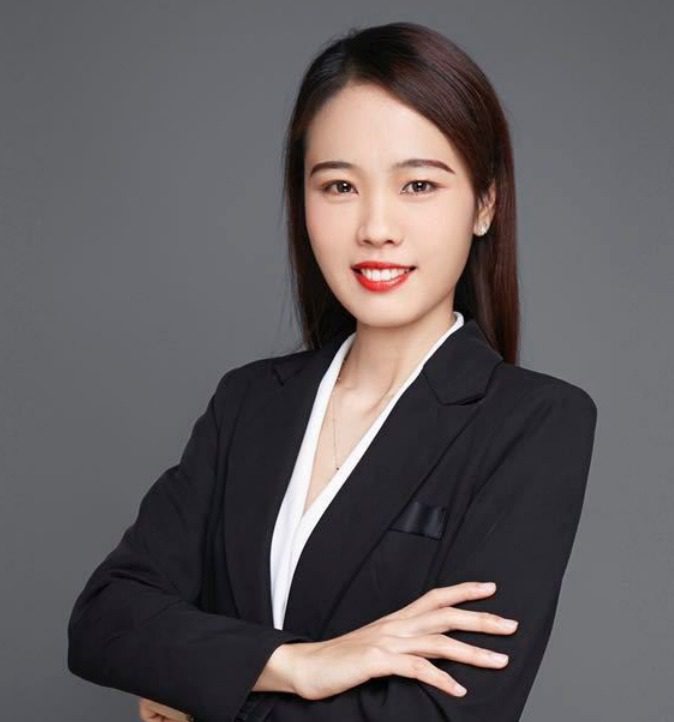
Maggie Peng serves as the esteemed Product Manager at Panda Sponge, where she has garnered a wealth of experience and expertise over the course of five years. With a primary focus on product design, testing, and development, Maggie has consistently exhibited her prowess in these domains.